





What specs matter when comparing 12 volt inverter for car models?
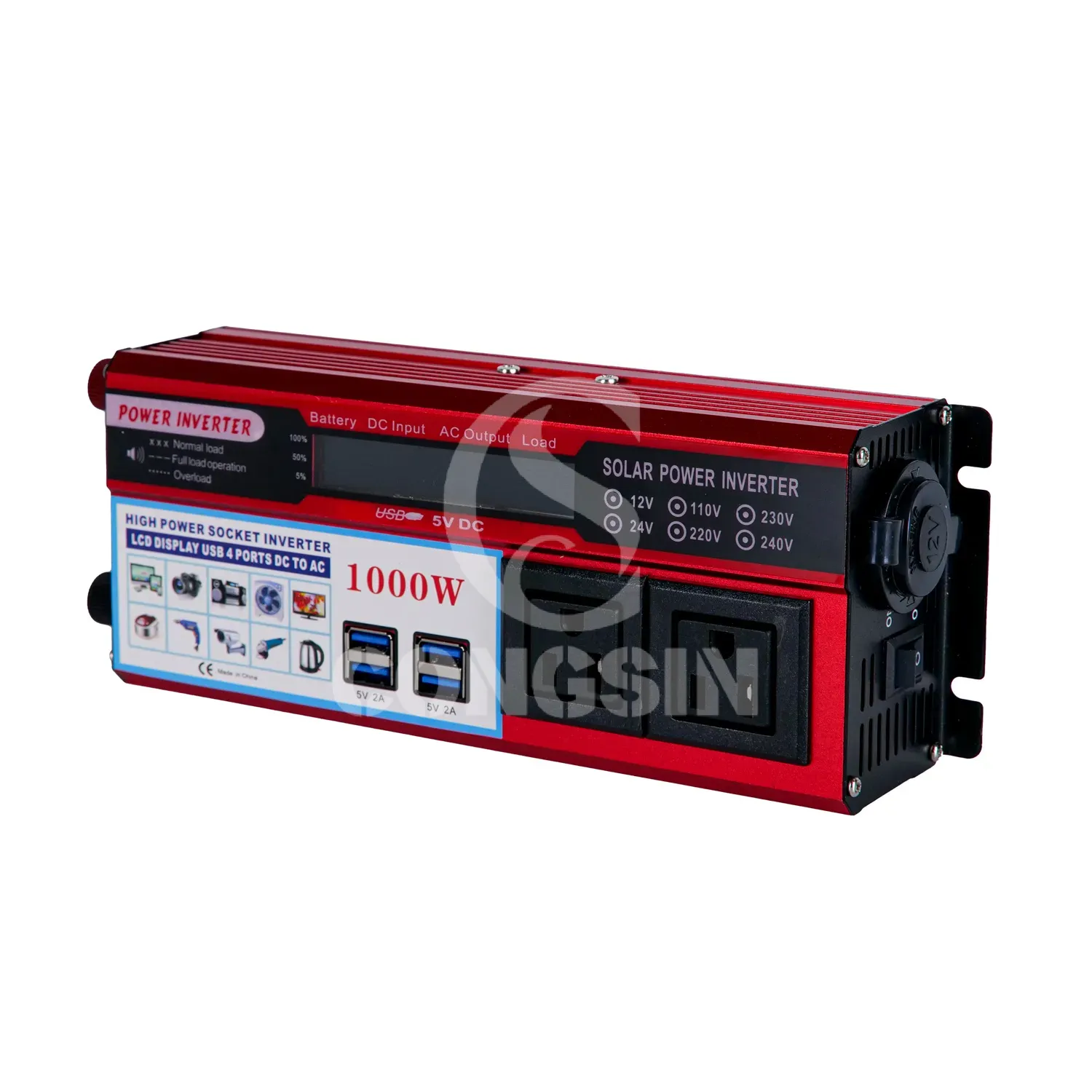
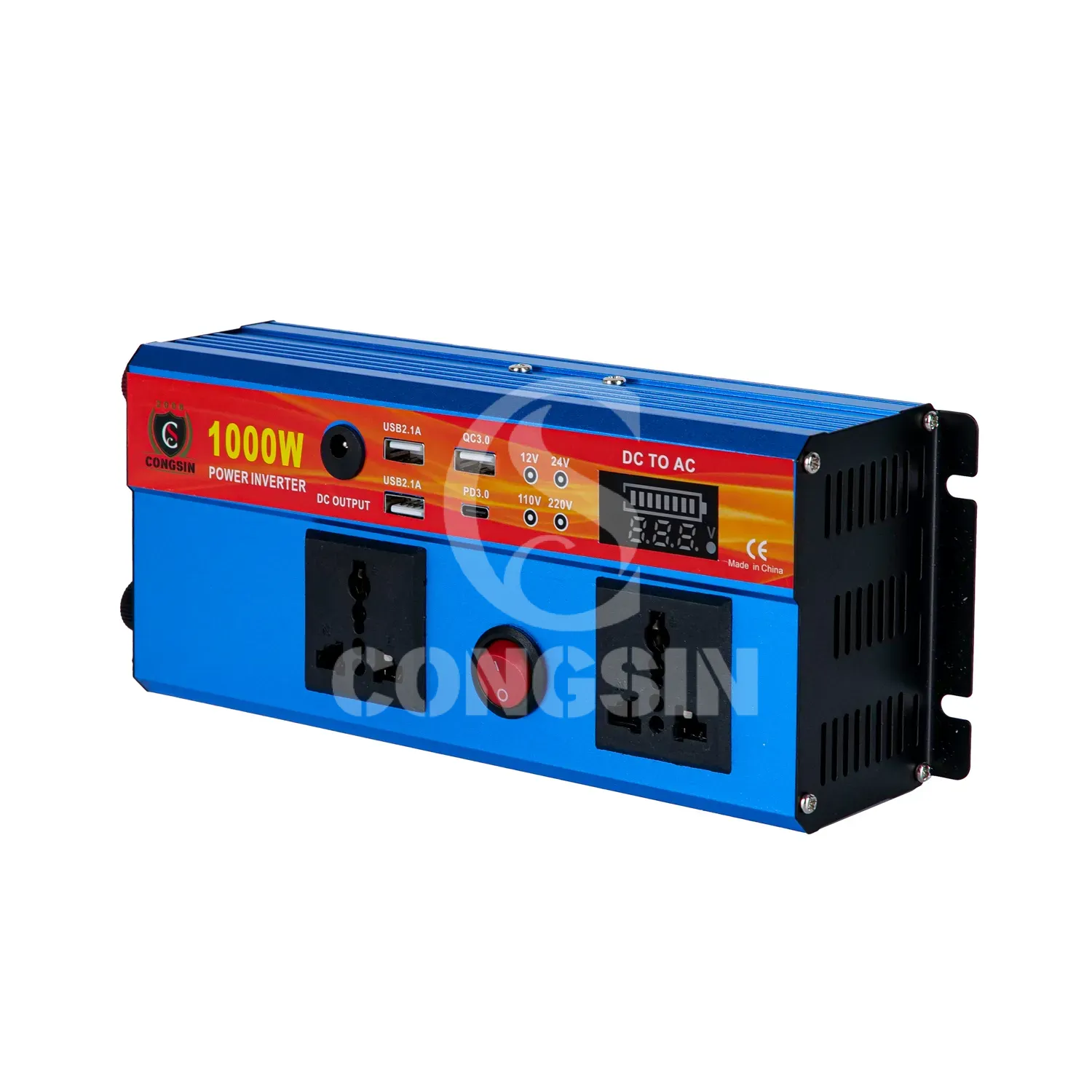
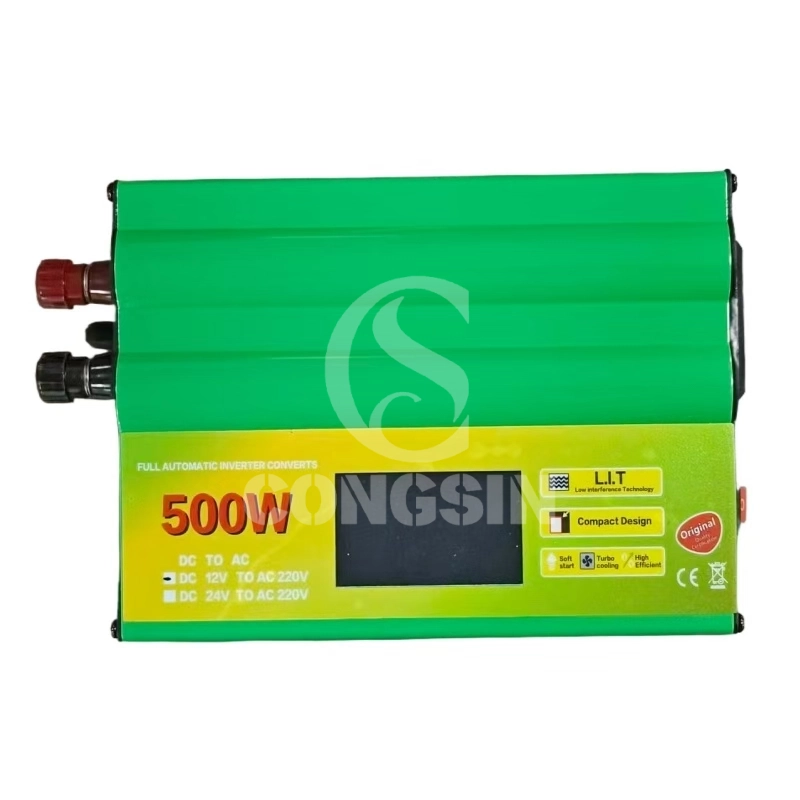
When selecting a 12-volt inverter for your car, it's crucial to consider several factors to ensure optimal performance and safety. Below are six specific questions frequently asked by beginners, along with in-depth answers to guide your decision-making process.
1. What is the maximum continuous power output I need for my devices?
Determining the maximum continuous power output required depends on the total wattage of the devices you intend to power simultaneously. For instance, if you plan to run a laptop (approximately 60 watts) and a smartphone charger (about 10 watts) at the same time, you'll need an inverter that can handle at least 70 watts continuously. It's advisable to choose an inverter with a power rating higher than your combined device wattage to accommodate any power surges and prevent overloading. For example, the Cummins CMN400 400 Watt Car Inverter provides reliable power output and multiple device ports, making it suitable for such needs.
2. How do I ensure the inverter's safety features protect my devices and vehicle?
Safety features are paramount to protect both your devices and vehicle from potential hazards. Key features to look for include:
Overload Protection: Prevents the inverter from supplying more power than it can handle, reducing the risk of overheating or damage.
Short Circuit Protection: Safeguards against electrical faults that could lead to fires or equipment damage.
Overheat Protection: Shuts down the inverter if it reaches unsafe temperatures, preventing thermal damage.
Low Voltage Alarm and Shutdown: Alerts you when the car battery voltage is too low and automatically shuts down to prevent battery drain.
For example, the BESTEK 300W DC 12V to 110V AC Power Inverter includes built-in protection features such as over/under voltage protection, overheat protection, and short circuit protection, ensuring safe operation.
3. What type of waveform does the inverter produce, and how does it affect my devices?
Inverters produce different types of waveforms, primarily:
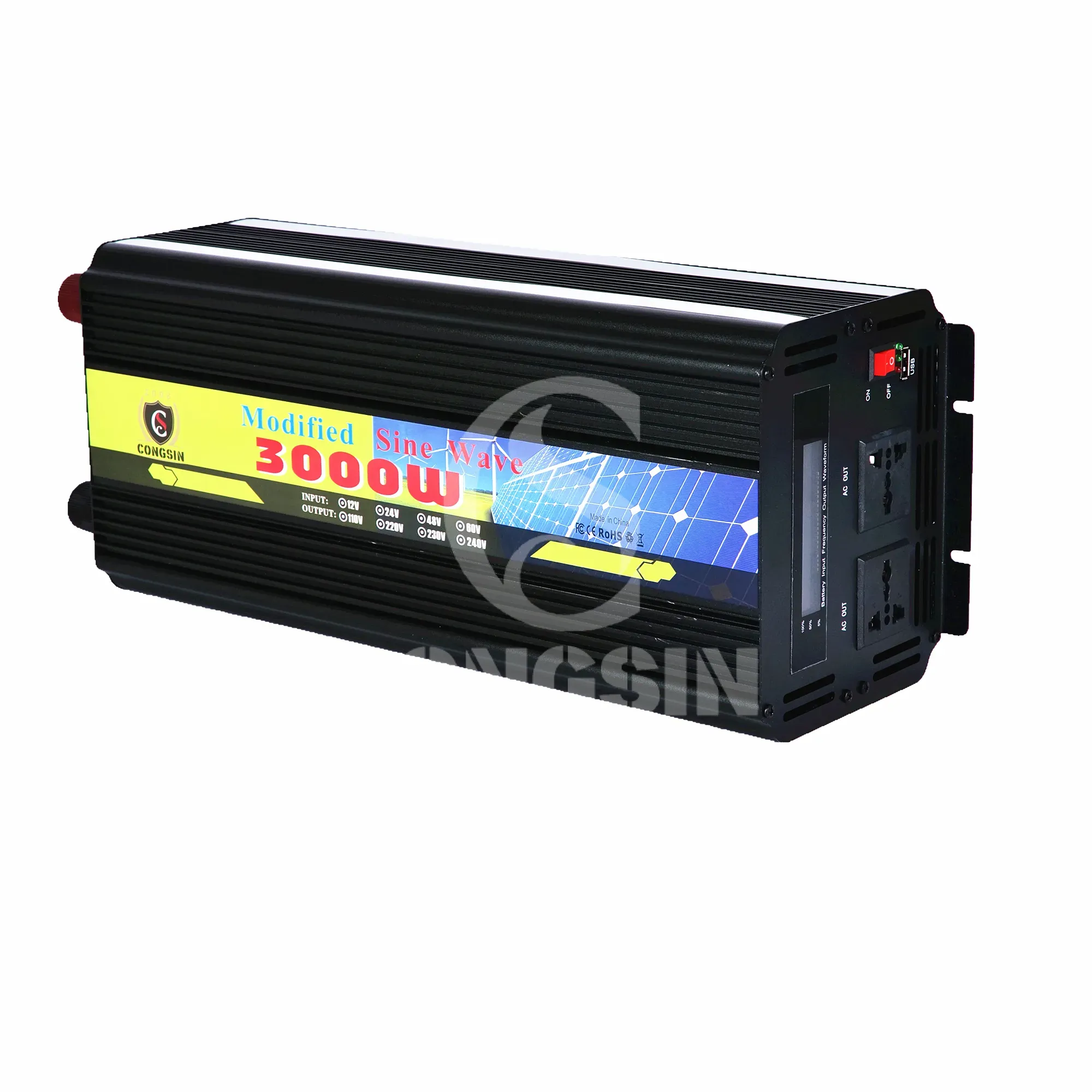
Modified Sine Wave: Suitable for simple devices like lights and fans but may cause issues with sensitive electronics, leading to inefficiency or potential damage.
Pure Sine Wave: Provides a clean and stable power output, ideal for sensitive electronics such as laptops, medical equipment, and audio systems.
Opting for a pure sine wave inverter ensures compatibility and longevity for your sensitive devices. The BESTEK 300W inverter mentioned above offers pure sine wave output, making it a reliable choice for powering delicate electronics.
4. How do I determine the appropriate cable size for connecting the inverter to my car battery?
Selecting the correct cable size is essential for efficient power transfer and safety. Undersized cables can lead to voltage drops, overheating, and potential fire hazards. The cable size depends on the inverter's power output and the distance between the inverter and the battery. For instance, a 1000-watt inverter connected to a battery within a short distance may require 4 AWG cables, while longer distances might necessitate 2 AWG cables. Always refer to the inverter's manual for specific cable size recommendations. Additionally, ensure that the cables are of high quality and rated for automotive use to withstand the vehicle's environment.
5. What are the potential risks of using an inverter with my car's electrical system?
Using an inverter improperly can pose several risks:
Battery Drain: Prolonged use of the inverter without the engine running can deplete the car battery, potentially leaving you stranded. It's advisable to operate the inverter only when the engine is running to allow the alternator to recharge the battery.
Overheating: Inverters can overheat if not adequately ventilated or if overloaded. Ensure the inverter is placed in a well-ventilated area and not exposed to direct sunlight or high temperatures.
Electrical Damage: Improper installation or using an inverter with a higher power rating than the vehicle's electrical system can cause damage. Always follow the manufacturer's installation guidelines and ensure the inverter's power rating is compatible with your vehicle's specifications.
6. How can I maintain my inverter to ensure its longevity and reliable performance?
Regular maintenance is key to extending the life of your inverter:
Regular Inspections: Periodically check the inverter for signs of wear, loose connections, or damage.
Cleanliness: Keep the inverter and its surroundings free from dust and debris to prevent overheating.
Proper Storage: When not in use, store the inverter in a dry, cool place to protect it from environmental factors.
Firmware Updates: If your inverter has updatable firmware, ensure it's kept up to date to benefit from performance improvements and new features.
By addressing these considerations, you can select a 12-volt car inverter that meets your needs and ensures safe and efficient operation.
For personalized recommendations or to request a quote, please contact us at info@csinverter.com or visit our website at www.csinverter.com.


Modified Sine Wave Inverters
What capacity battery can be used with it?
It is recommended to use a 12V 100Ah-200Ah lead-acid battery or lithium battery; the larger the battery capacity, the longer the UPS power supply time (e.g., a 100Ah battery can support a 100W device to work continuously for about 10 hours).
Can it be used in electric vehicles?
Most electric vehicles have a high-voltage system, and this inverter inputs DC 12V. It is not recommended to use it directly. If you need to use it, please confirm whether the vehicle power output matches first.
What is the benefit of the UPS function? A2:
It automatically switches to battery power when AC fails.
What is the function of the independent control switch?
The independent control switches for DC and AC can respectively control the on and off of DC and AC circuits, facilitating the separate management of power supply for different types of devices and improving power usage safety and flexibility.
Pure Sine Wave Inverters
Can it be used in RVs or trucks?
Yes. The device input voltage is DC 12V, which matches the battery voltage of RVs and trucks. It can be connected via battery clips or cigarette lighter interface (need to confirm that the maximum current of the cigarette lighter is ≥10A) to supply power to car refrigerators, parking air conditioners, laptops, etc.
Get in Touch with Our Team
You can also communicate with us directly through our online contact form. Please fill in the following information, and our team will contact you as soon as possible after receiving your message.

CONGSIN is a trusted OEM factory for power inverters, solar charge controllers, and DC converters. Reliable solutions for global B2B buyers.
 High Quality
 7/24 Service
 Guaranteed Warranty
© 2025 Congsin. All Rights Reserved.